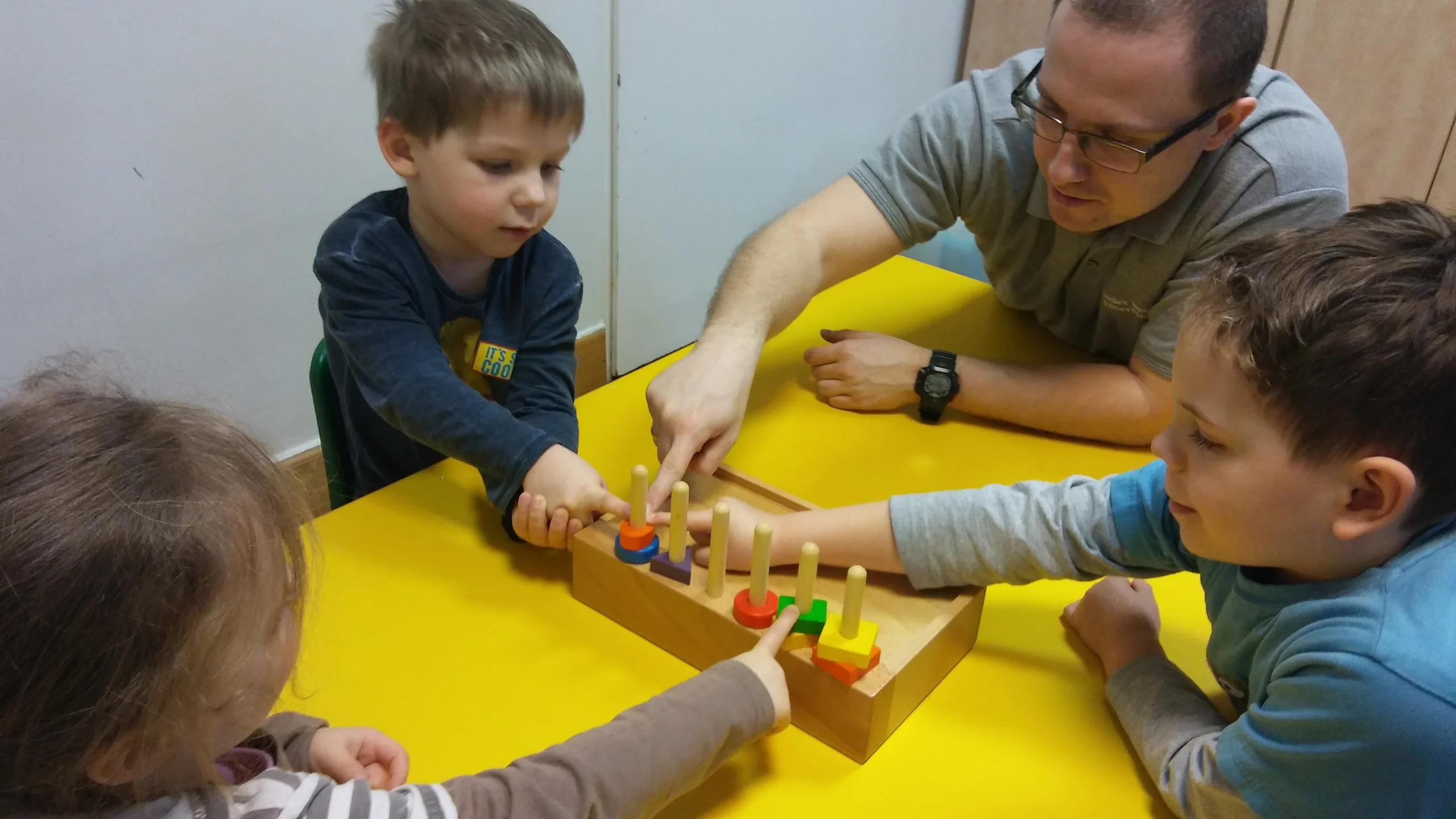
The aim of special education therapy is to support the development of the skills needed to function in various social groups and to develop cognitive activity. It often happens that gaps in one area lead to difficulties in other areas. Such accumulating problems cause an overall decline in cognitive, social, emotional and motor functions. Special education therapy prevents these difficulties from building up. Therapy sessions make use of the child’s natural need to play as well as their curiosity and need to explore, providing the right amount of stimulation, thus closing developmental gaps and encouraging further development.
There is no single right therapeutic method to support the development of a young child. Each child develops at their own pace and has their own talents, difficulties, interests and specific needs.
The range of therapeutic methods keeps growing. Their aim is to help bring out the child’s full developmental potential so that in the future they can live a dignified and happy life. The choice of methods should always be adapted to the child’s individual abilities. In special education at the Early Intervention Centre we use the following methods: Félicie Affolter’s “Guided Interaction” approach, behavioural therapy, Virginia Axline’s non-directive play therapy, the Knill method, polysensory stimulation based on Jacek Kielin’s concept, and Sensory Integration.
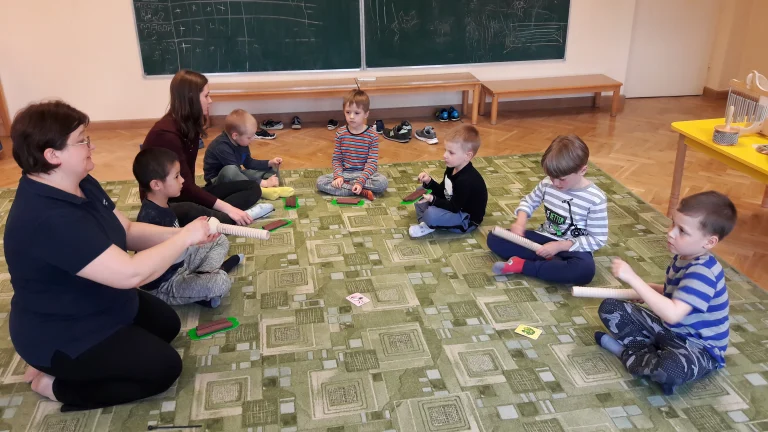
Group sessions in special education include, among others: music therapy, the Good Start Method, psychomotor activities, the “Move to Learn” group, a social skills group, the “You and Me” group, Veronica Sherborne’s Developmental Movement group, a hand therapy group and others, depending on our patients’ current needs.
Therapeutic methods
There is no single right therapeutic method to support a young child whose development is disturbed. Each child develops at their own…